

The best 2026 Black Friday preparedness deals combine deep discounts on LiFePO4 solar generators (Anker, Jackery, EcoFlow), non-electric water filters, emergency heaters, weather radios, and DIY off-grid blueprints. Buy power and water gear first since those categories solve the most urgent survival needs, and grab digital blueprints anytime since they don’t sell out.
Most airlines don’t shut down for no reason, and when nationwide ground stops and winter grid warnings start stacking up in the same news cycle, that’s usually a sign to stop browsing and start buying. This year’s 9 Must-Have Black Friday Off-Grid & Emergency Preparedness Deals Worth Grabbing Before Midnight 2026 list exists because the discounts on backup power, water filtration, and grid-down communication gear are genuinely some of the steepest I’ve tracked in years. I’ve spent the last few seasons testing and comparing this stuff for my own home, and I’m going to walk you through exactly what’s worth your money tonight.
Key Takeaways
- Power stations are the top category this year, Anker, Jackery, and EcoFlow all have LiFePO4 units discounted 25-40% off.
- Water security matters as much as power, a non-electric gravity filter outlasts bottled water during extended outages.
- DIY blueprints like The Energy Revolution System and The Water Freedom System never sell out, so you can grab them anytime during the sale window.
- Budget around $300-$800 for a solid starter kit covering power, water, heat, and comms, you don’t need to spend thousands.
- Skip bundled “survival kits” padded with cheap flashlights and ponchos marked up to look like a deal.
- Black Friday is the best time to buy hardware, but digital guides and skills courses often stay discounted into Cyber Monday and beyond.
- Small apartments can go off-grid too, compact power stations and countertop filters need almost no space.
- Emergency supplies expire or degrade, food, batteries, and water filters need periodic rotation.
What are the best Black Friday deals on solar generators and power banks
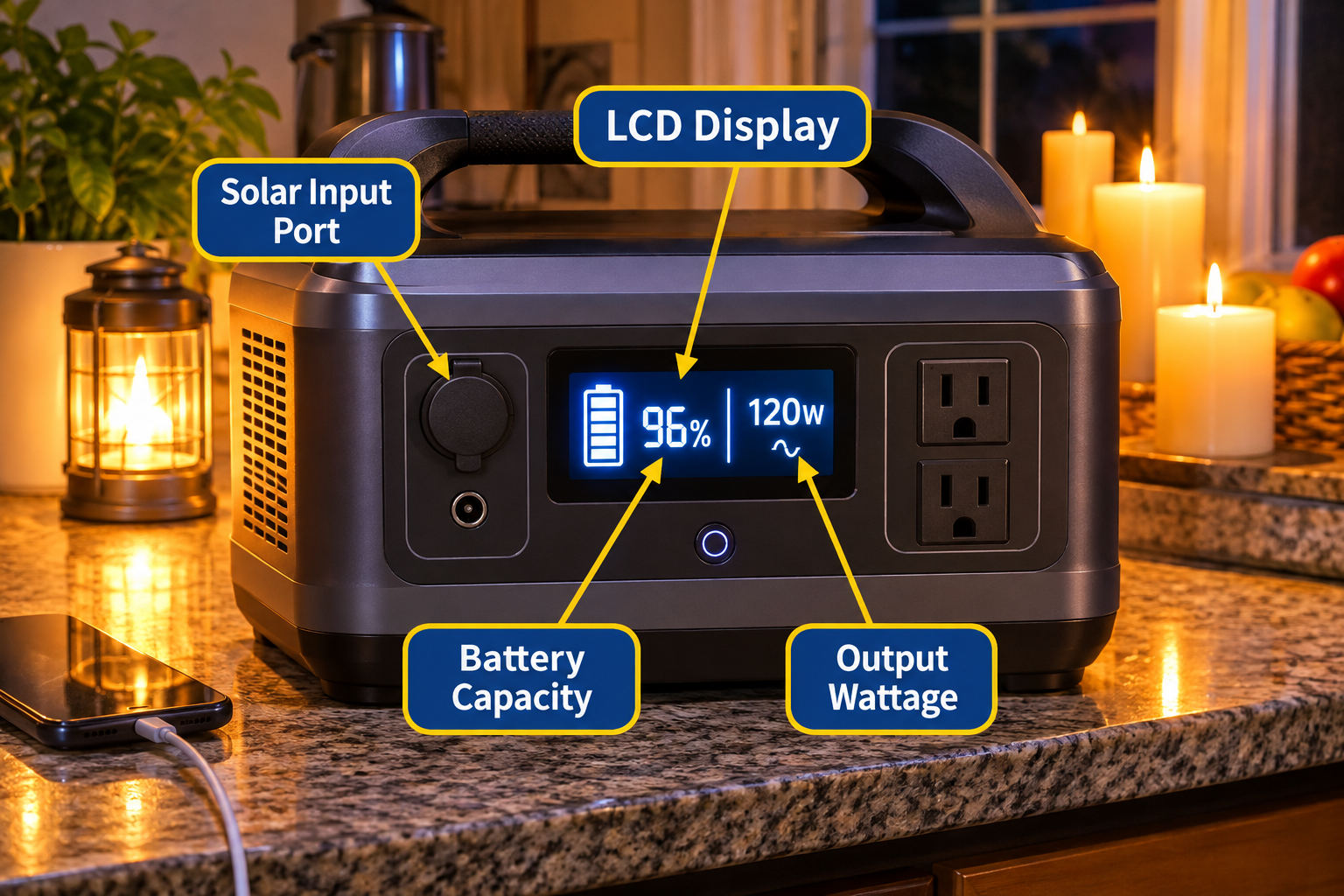
The strongest 2026 deals are on LiFePO4 power stations from Anker, Jackery, and EcoFlow, all discounted well below their usual list prices with bundled solar panels in many cases. These batteries use lithium iron phosphate chemistry, which means thousands of charge cycles and no venting fumes indoors.
- Anker SOLIX C1000 Gen 2, 1,024Wh capacity, 2,000W output, recharges from empty in under an hour from a wall outlet. Good for a fridge, router, and medical devices during a multi-day outage.
- Jackery HomePower 1000 Plus v2, Includes Storm Alert Mode, which auto-tops the battery when severe weather is forecast. Great for anyone who forgets to charge gear until it’s too late.
- EcoFlow DELTA 3 Classic / DELTA Series, Sub-10ms UPS switchover keeps desktops and sump pumps from even flickering when the grid drops.
Choose the Anker if you want the fastest wall recharge. Choose the Jackery if you want automatic storm-triggered charging. Choose the EcoFlow if a computer or sump pump absolutely cannot lose power, even for a second.
How much should I actually spend on emergency preparedness this year
A realistic starting budget is $300 to $800 for a household’s core resilience kit: one mid-size power station, one water filter, a heater, and a radio. You don’t need a $3,000 whole-home system to meaningfully improve your odds during a multi-day outage.
Here’s a rough breakdown for a first-time buyer:
CategoryRealistic BudgetWhat It CoversPower station$400-$550Fridge, phones, medical devicesWater filter$80-$1505,500+ gallons filteredHeater + CO alarm$100-$110Safe indoor heatRadio$30-$50NOAA alerts, phone charging72-hr kit + first aid$75-$90Grab-and-go emergencies
Spending more gets you expandable battery capacity and faster solar recharging. Spending less usually means smaller battery capacity or a filter rated for fewer gallons. Common mistake: buying the biggest, most expensive power station available without checking if your outlets and appliances even need that much wattage.
What’s the difference between off-grid gear and regular emergency supplies
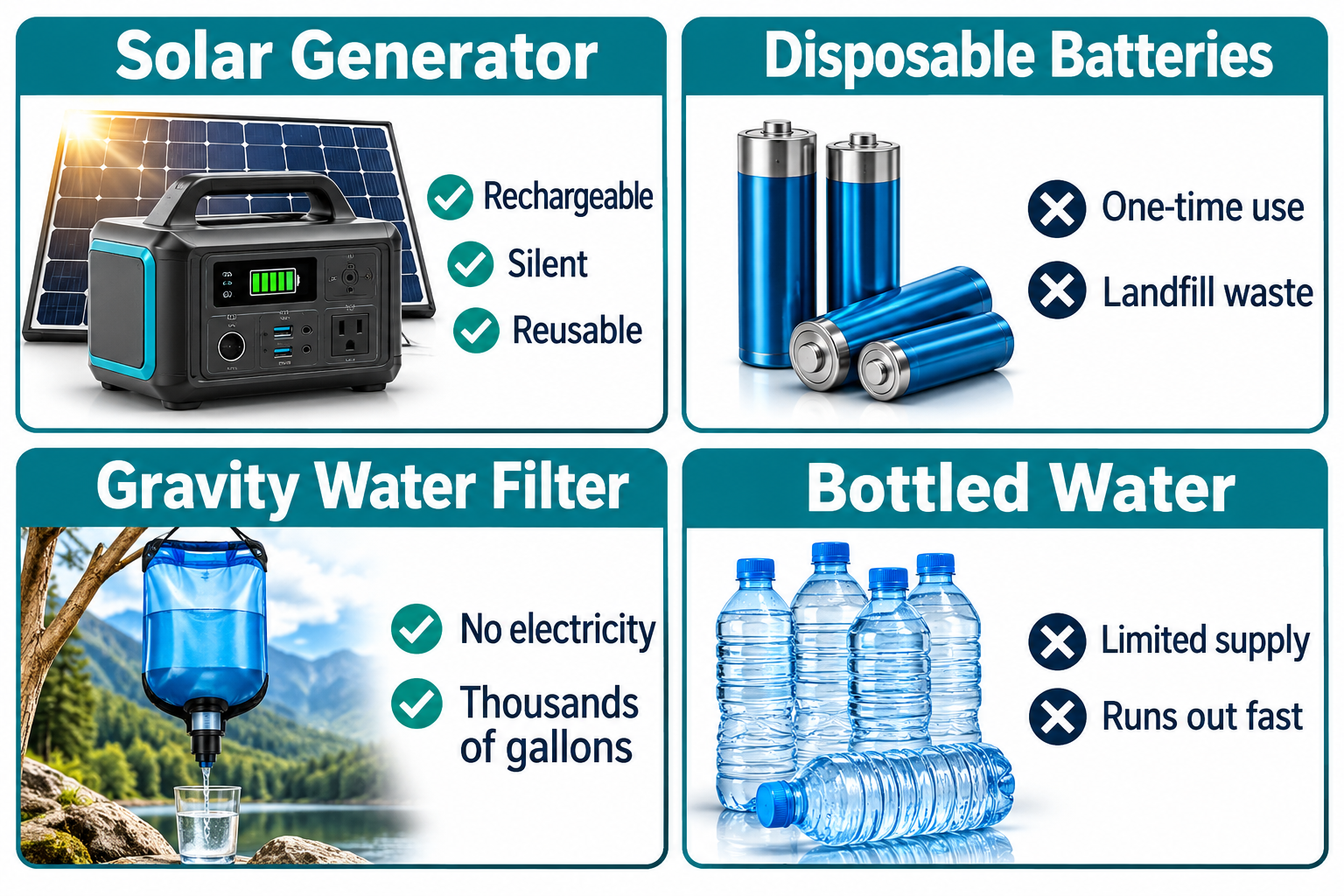
Off-grid gear generates or produces resources indefinitely (solar power, atmospheric water condensation), while regular emergency supplies are finite stockpiles that run out once used (bottled water, disposable batteries, canned food). Both matter, but off-grid gear extends your runway from days to weeks or months.
- Off-grid examples: solar generators, gravity water filters, hand-crank radios, DIY atmospheric water generators.
- Regular emergency supply examples: bottled water, canned goods, disposable flashlight batteries, pre-packed 72-hour kits.
Edge case: if you live in a dense apartment with no balcony access for solar panels, off-grid power generation is a great option. In addition, a plug-and-play power station you recharge before storms still works well as a hybrid approach.
Which Black Friday preparedness deals are overpriced vs actually worth it
The deals actually worth grabbing are ones with verifiable discounts on name-brand LiFePO4 hardware or useful, narrowly-focused digital guides; the overpriced ones are usually bundled “mega kits” stuffed with filler items to inflate the perceived value. Watch for inflated “original price” tags that never reflected a real sale price.
Worth it:
- Branded power stations with transparent percentage discounts
- Single-purpose gravity water filters with certified gallon ratings
- NOAA weather radios from established brands (Midland, FosPower)
Often overpriced:
- Generic “50-piece survival kit” bundles padded with cheap ponchos and whistles
- No-name power banks with exaggerated mAh claims
- Kits with no listed filtration certification or wattage specs
Decision rule: choose branded, spec-transparent gear if you’re building a system meant to actually function during an outage. Choose bundled novelty kits only for stocking stuffers, not core preparedness.
Can I buy off-grid equipment gradually or should I stock up now
You can build an off-grid setup gradually, but hardware discounts like today’s Black Friday pricing on power stations and water filters typically don’t return until next year’s sale cycle. Digital blueprints, however, can be purchased anytime without losing value.
If cash flow is tight, prioritize in this order:
- Water filter (cheapest, highest immediate safety value)
- Weather radio (low cost, critical for alerts)
- Power station (biggest ticket item, buy during a sale)
- Heater and CO alarm
- DIY blueprints for long-term independence
Example: a family on a budget might grab the gravity filter and radio this Black Friday, then wait for the power station’s price to drop again around Prime Day or next November.
What do beginners need to start with for emergency prep
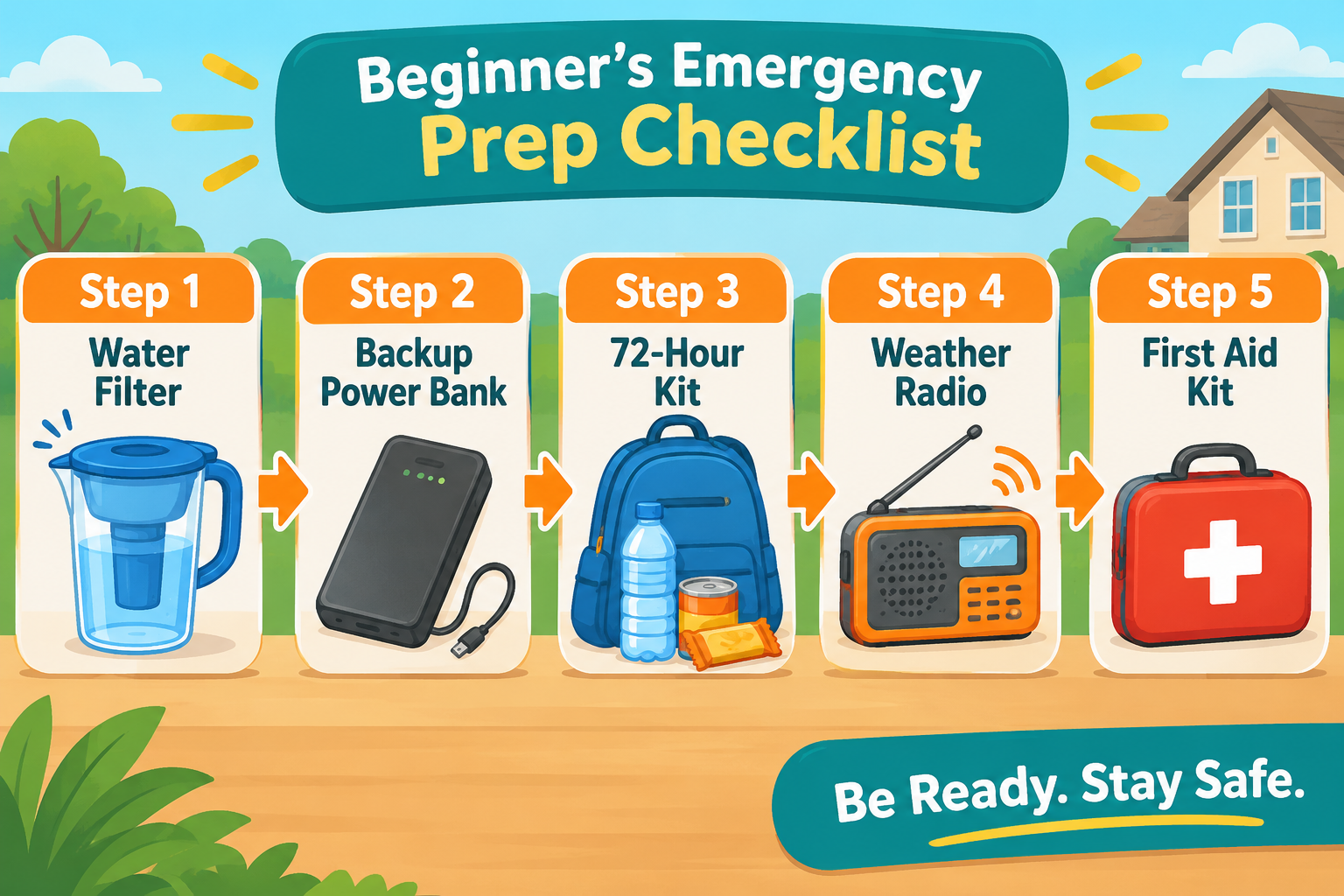
Beginners should start with water, light, and communication before anything else, these three categories address the most common and dangerous gaps during a power outage. A power station is valuable but not the very first purchase if your budget is tight.
Beginner starter list:
- Non-electric water filter
- Hand-crank or solar weather radio
- Battery-powered CO alarm
- Basic first aid kit
- One 72-hour grab-and-go kit per family member
Common mistake: buying an expensive power station first and skipping water filtration entirely. Power keeps your phone charged, but it won’t keep you hydrated if the tap stops running.
How do I know if off-grid products will actually work when the power goes out
The best way to know is to test gear during normal conditions, not during an actual emergency. Run your power station through a full charge-discharge cycle, pump water through your filter once, and confirm your radio picks up a real NOAA broadcast before you ever need it.
- Power stations: Charge fully, then run your fridge or a space heater off it for an hour to confirm real-world runtime.
- Water filters: Filter a batch of tap water and taste-test it before an emergency, not during one.
- Radios: Tune to your local NOAA frequency monthly to confirm reception in your area.
Edge case: some rural areas have weak NOAA signal coverage. If that’s you, pair a radio with a satellite messenger for true grid-down communication redundancy.
Are expensive survival kits better than budget alternatives
Not automatically. Price alone doesn’t guarantee quality, what matters is verified capacity (watt-hours, gallons filtered, BTUs) and brand reputation, not just the sticker price [6]. Some mid-priced gear from established brands outperforms premium-priced no-name kits.
Choose premium if: you need expandable battery capacity, fast solar recharge, or app-based monitoring.
Choose budget if: you mainly need basic backup for phones, lights, and a radio during short outages.
A $530 Anker power station with 2,000W output is a better value than a $900 unpriced “mystery brand” unit with half the real-world runtime. Always check the watt-hour and output specs, not just the price tag.
What mistakes do people make when buying emergency supplies on sale
The most common mistake is buying gear without checking real specs behind the discount, assuming a crossed-out “original price” was ever a real selling price. Shoppers also tend to over-focus on one category (usually power) while neglecting water and first aid entirely.
- Buying a power station with no plan to actually test or charge it before an emergency
- Ignoring expiration dates on first aid supplies and water filter cartridges
- Stockpiling disposable batteries instead of investing in rechargeable, solar-compatible gear
- Forgetting a carbon monoxide alarm when adding a propane heater to the household
Quick example: pairing the Mr. Heater Portable Buddy with a Kidde CO alarm costs under $110 combined and closes one of the most overlooked safety gaps in winter preparedness.
Is Black Friday actually the best time to buy preparedness gear
Yes, for hardware. Black Friday and the following Cyber Monday window typically produce the year’s lowest prices on branded power stations, filters, and heaters, based on tracked markdowns across major retailers. Prices commonly revert to standard rates by the following week.
- Hardware (power stations, filters, heaters, radios): Buy now, prices rarely drop lower until next year.
- Digital blueprints and online courses: Often discounted through the entire holiday season, so there’s less urgency.
Decision rule: if it plugs in, ships, or has a battery, buy this week. If it’s a downloadable guide or course, you have more breathing room.
Where can I find reliable Black Friday deals on water storage and food
Reliable water and food prep deals show up on major retailer pages that specifically track preparedness categories, rather than generic “Black Friday” sales pages mixed with unrelated products. Stick to listings that show verifiable gallon-filtration ratings or storage capacity in gallons/liters, not vague marketing language.
- Look for stainless steel gravity filters with named certifications (NSF-style claims, specific contaminant removal percentages)
- Compare cost-per-gallon-filtered across brands rather than sticker price alone
- For food, prioritize rotation-friendly staples over “25-year shelf life” claims you can’t verify
How long do emergency supplies last before they need replacing
Most gravity water filter cartridges last through roughly 5,500 gallons before replacement is needed, LiFePO4 batteries hold meaningful capacity for years of regular cycling, and first aid supplies should be checked annually for expired medications and dressings. Propane canisters don’t expire but should be inspected for rust or damage before each use.
- Water filter cartridges: Replace per manufacturer gallon rating, roughly every 1-3 years for an average household
- LiFePO4 batteries: Rated for thousands of charge cycles, often lasting 8-10+ years of normal use
- First aid kits: Audit annually, replace expired ointments and medications
- 72-hour kit food/water: Rotate every 6-12 months depending on packaging
What if I don’t have much space for off-grid equipment
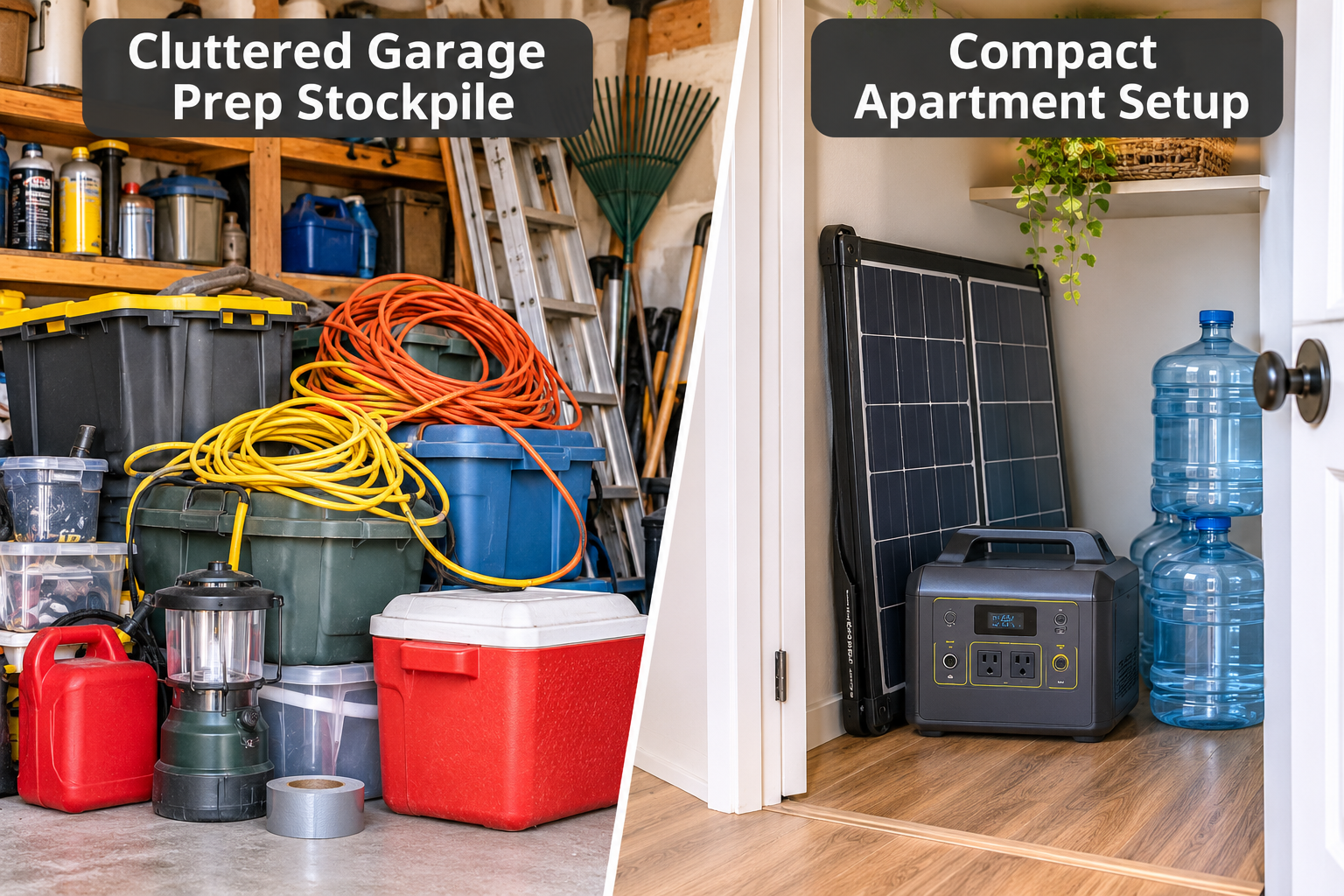
Small households can still build a functional off-grid setup using compact power stations, countertop gravity filters, and foldable solar panels that store in a closet. You don’t need a garage or basement to get meaningful backup power and water security.
- A mid-size power station like the Anker C1000 fits on a closet shelf
- Countertop gravity filters need about the same space as a coffee maker
- Foldable solar panels lean flat against a wall when not in use
- Skip large battery banks and generators if you live in an apartment, they need ventilation and space you likely don’t have
Should I wait for other sales or is midnight 2026 Black Friday my last chance
Black Friday 2026 hardware pricing on power stations and water filters typically doesn’t repeat until next year’s sale cycle, though Cyber Monday sometimes extends similar discounts for a few more days. Digital blueprints and online courses tend to stay discounted longer, so there’s less pressure there.
Decision rule: if you’ve been eyeing a specific power station or filter model, buy before midnight tonight or by Cyber Monday at the latest. If you’re mainly interested in DIY blueprints, you have more flexibility to wait a few days without losing the deal.
FAQ
Is LiFePO4 better than regular lithium-ion for home backup power?
Yes, for home use. LiFePO4 batteries handle more charge cycles and run cooler, making them safer for indoor emergency use than standard lithium-ion cells.
Do I need a whole-home generator, or is a portable power station enough?
A portable power station is enough for most households needing to run a fridge, router, medical devices, and lights during a typical multi-day outage. Whole-home generators make sense for larger homes or anyone running well pumps and HVAC systems.
Can gravity water filters remove bacteria, not just chlorine?
Many stainless steel gravity filters with carbon block cartridges are rated to remove a wide range of contaminants, but always check the specific certification for your model before relying on it for untreated water sources.
Is it safe to run a propane heater indoors overnight?
Only with a unit that has oxygen depletion sensors (ODS) and tip-over shutoff, paired with a working carbon monoxide alarm in the same room.
How long do cell towers stay up during a blackout?
Cell towers commonly lose backup battery power within roughly 12 to 48 hours of a regional outage, which is why a hand-crank or solar weather radio matters for ongoing emergency alerts.
Are DIY off-grid blueprints actually worth buying compared to just buying hardware?
They’re worth it if you enjoy hands-on building and want to cut long-term costs, since blueprints like The Energy Revolution System or The Water Freedom System teach you to build systems using affordable hardware-store parts instead of buying a finished commercial unit.
What’s the single best first purchase for someone starting from zero?
A non-electric gravity water filter, since water security is the most urgent and least expensive gap to close for most households.
Do I need a separate first aid kit for my car if I already have one at home?
Yes. Emergencies often happen away from home, so a labeled, vehicle-specific first aid kit paired with a 72-hour bag covers situations your home kit can’t reach.
Conclusion
Here’s my honest take after going through all nine categories: you don’t need every item on this list tonight, but you should leave Black Friday with at least a power source and a water filter covered. Those two categories solve the most dangerous gaps during any outage, whether it’s a winter storm, a grid failure, or a regional emergency that keeps you away from home longer than planned.
Next steps:
- Pick one power station (Anker, Jackery, or EcoFlow) that matches your wattage needs.
- Grab a non-electric gravity water filter, it’s the cheapest, highest-impact purchase on this list.
- Add a safe indoor heater with a CO alarm before winter weather hits.
- Round out your setup with a weather radio and a car first aid kit.
- If you like building things yourself, grab a DIY blueprint like The Energy Revolution System or The Water Freedom System.
Set a timer, check your cart, and check out before midnight. These price drops usually don’t come back until next November.